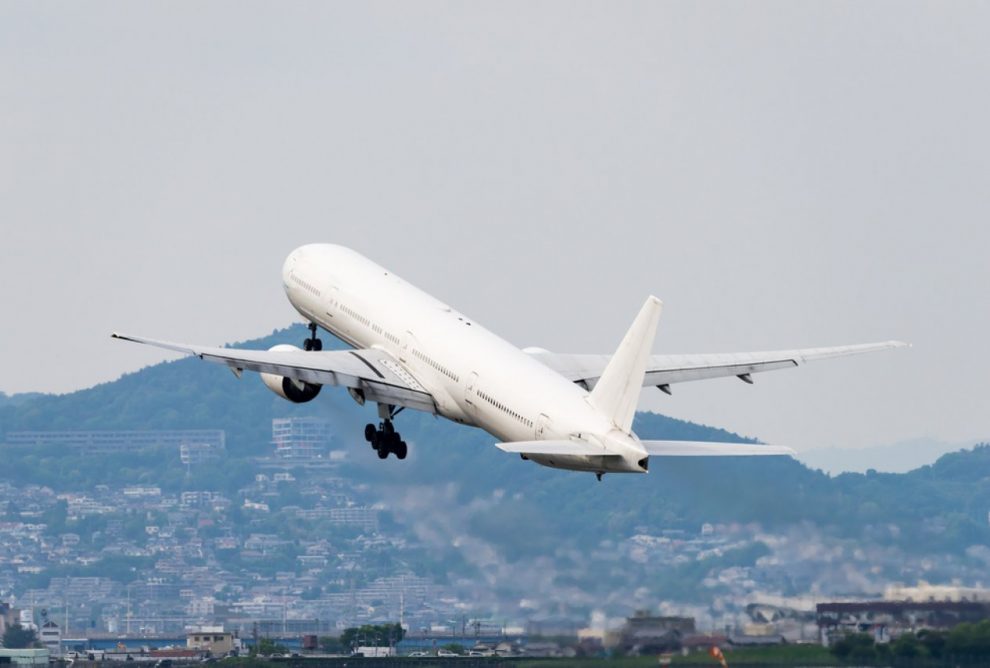
Les Canaries sont un archipel espagnol situé dans l’océan Atlantique, à environ 100 kilomètres des côtes du Maroc. Il se compose de 7 îles principales : Tenerife, Fuerteventura, Gran Canaria, Lanzarote, La Palma, La Gomera et El Hierro. Les Canaries sont connues pour leur climat tempéré toute l’année, ce qui en fait une destination de […]



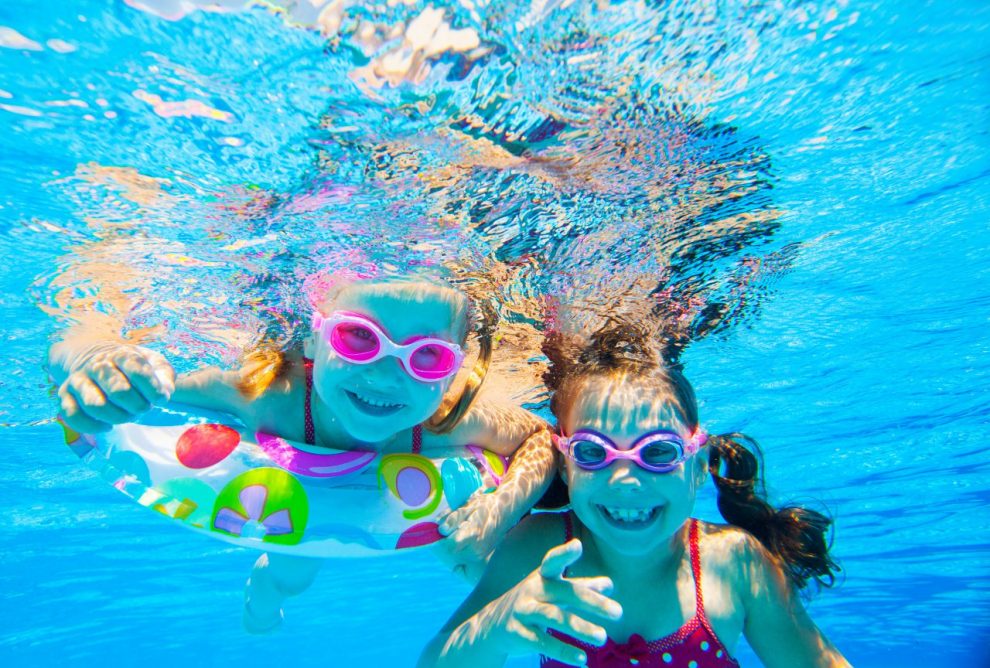
La meilleure période pour un voyage en Espagne
L’Espagne est un pays magnifique avec de nombreuses choses à voir et à faire. La meilleure période pour un voyage en Espagne est entre les mois de mai et octobre, lorsque les températures sont agréables et que les jours sont longs. C’est la période la plus touristique, donc si vous préférez éviter les foules, vous […]
Read Time: 9 Min
0



Vacances pas cher : astuce et conseils
Les vacances sont synonymes de dépenses importantes. Pourtant, il est possible de partir en vacances sans se ruiner. Voici quelques conseils et astuces pour des vacances pas cher. Les bons plans pour des vacances pas cher Pour des vacances pas cher, il y a plusieurs astuces et conseils à suivre. Tout d’abord, il faut savoir […]
Read Time: 6 Min
0


Voyage Italie : que voir et que faire ?
L’Italie est un pays riche en culture et en histoire, ce qui en fait un lieu de vacances très populaire. Il y a tellement de choses à voir et à faire que vous pourriez passer des semaines ici sans vous ennuyer. Voici une liste des meilleures attractions et activités à ne pas manquer lorsque vous […]
Read Time: 8 Min
0

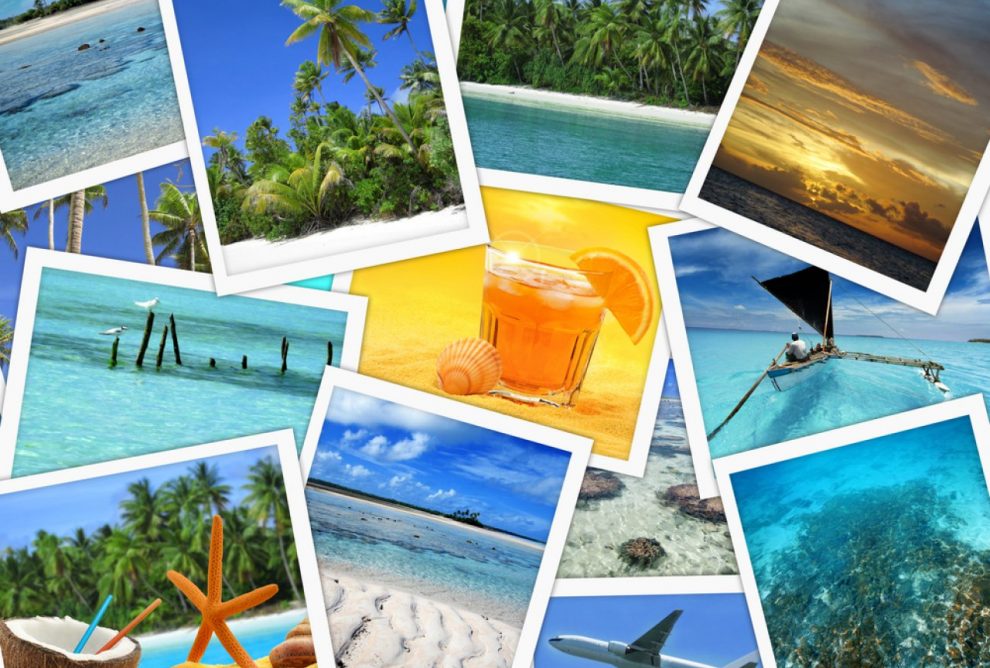
Agence de voyage : comment choisir ?
Vous avez décidé de partir en vacances et vous souhaitez réserver votre voyage auprès d’une agence de voyage. Comment choisir l’agence qui vous convient ? Voici quelques conseils. Les différentes agences de voyage Il existe différents types d’agences de voyage, et il est important de choisir celle qui correspond le mieux à vos besoins. Les […]
Read Time: 7 Min
0


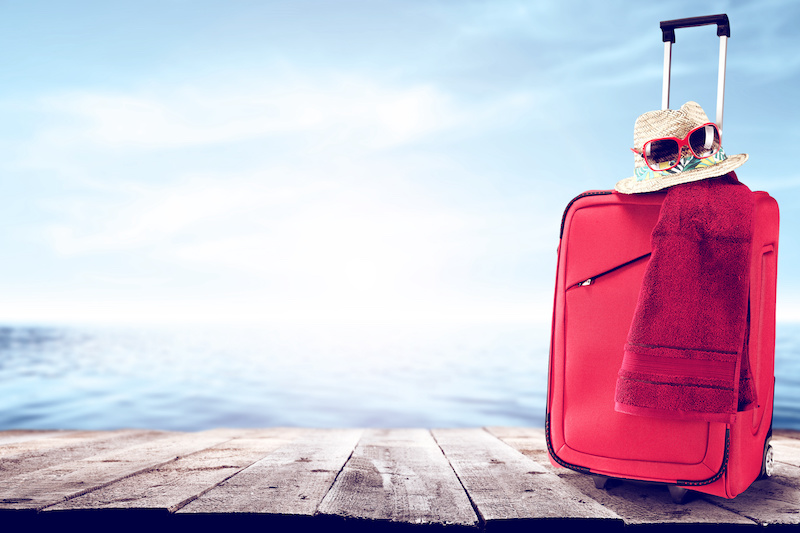

Séjour en Corse cet hivers
Vous rêvez de passer un hiver ensoleillé en Corse ? Alors cet article est fait pour vous ! Nous vous proposons une sélection des meilleurs endroits pour profiter du soleil et des activités que vous pouvez y pratiquer. Les meilleurs endroits pour profiter du soleil en Corse La Corse est une île magnifique située en […]
Read Time: 9 Min
0
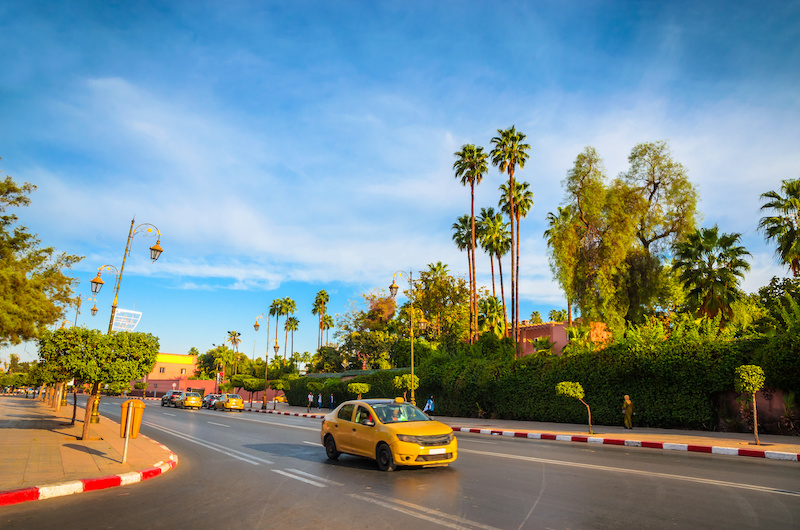
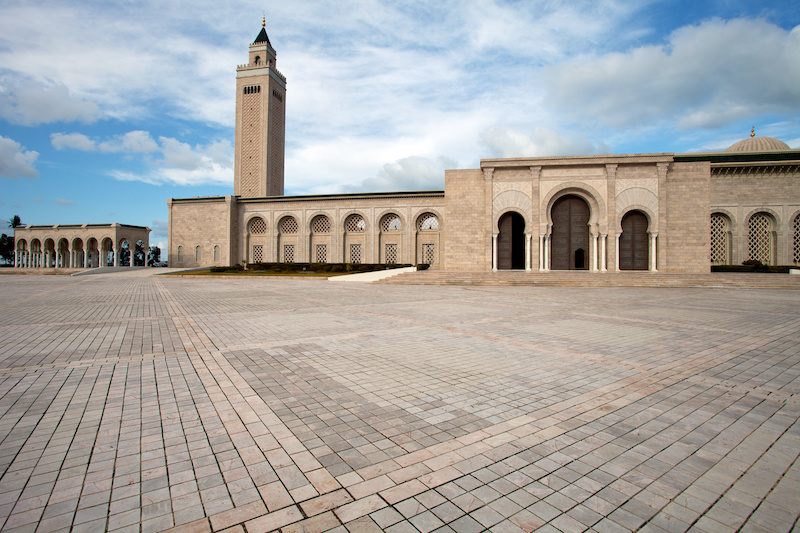
Voyage Maroc : quelques conseils avant le départ
Le Maroc est un pays fascinant à découvrir, mais il y a quelques choses à savoir avant de partir. Voici quelques conseils pour préparer votre voyage au Maroc. Quelles formalités sont nécessaires pour se rendre au Maroc ? Pour se rendre au Maroc, il est nécessaire de disposer d’un passeport ou d’une carte d’identité en […]
Read Time: 8 Min
0
Voyage à Cuba : nos quelques conseils
Cuba est une île magnifique située dans les Caraïbes. Elle est connue pour ses plages de sable blanc, ses eaux turquoises et ses délicieux cocktails. Si vous prévoyez un voyage à Cuba, voici quelques conseils pour profiter au maximum de votre séjour. Comment organiser votre voyage à Cuba ? Organiser un voyage à Cuba ne […]
Read Time: 8 Min
0
5 raisons de faire un voyage en Martinique
Il y a beaucoup de raisons d’aller en Martinique, mais voici cinq bonnes raisons de visiter cette île française des Caraïbes : ses plages de sable blanc, ses sites historiques, sa culture riche, sa cuisine savoureuse et son climat tropical. 1 – Les plages de sable blanc La Martinique est une île française située dans […]
Read Time: 11 Min
0
Comment économiser sur les voyages de dernière minute
Le nombre de personnes effectuant des voyages dernière minute a augmenté ces dernières années, car elles ont réalisé qu’elles peuvent économiser de l’argent en comparant les prix des billets d’avion et des hôtels. Cependant, il y a quelques astuces à connaître pour éviter les pièges courants et obtenir le meilleur prix possible. Examinez les offres […]
Read Time: 9 Min
0


Commentaires récents